Shannon Lecture Series
A thought-provoking series for people seeking a learning community dedicated to exploring life's meaning and purpose. The series engages the religious, sociopolitical, and scientific issues of our time to identify the best of human values and stimulate thoughtful, creative responses for the enrichment of all peoples and stewardship of our earth.
The William H. Shannon Lecture Series 2026-2027
Centering Human Dignity, Harnessing the Forces of Love and Justice
“Let us strive to make our communities places where the cry of those who suffer finds welcome, and listening opens paths towards liberation, making us ready and eager to contribute to building a civilization of love.” Pope Leo XIV, February 5, 2026
“The civilization of love is no naïve utopia, but a demanding project, which consists in translating charity into structures of justice, giving institutional form to fraternity and regarding others — whether individuals or peoples — as allies necessary for building the common good.” Pope Leo XIV, Magnifica Humanitas
In a world torn by war, competing interests, and the mis-use of facts, humanity and the future of our planet are under threat. Prophetic voices across the continents urge us to safeguard human dignity, nurture human relationships, and build a community of love and justice.
Our distinguished scholars for the Shannon Lectures for Fall 2026 will wrestle with the critical questions emerging from behaviors and attitudes that dehumanize individuals and groups-- racism and xenophobia, white supremacy and Christian nationalism, disposability and exploitation of vulnerable peoples. Advocating for the uncompromising preservation of human rights, they willinvite us to a renewed commitment to authentic dialogue, moral freedom, empathy, bold action for justice, and re-discovery of the poetry of the human heart.
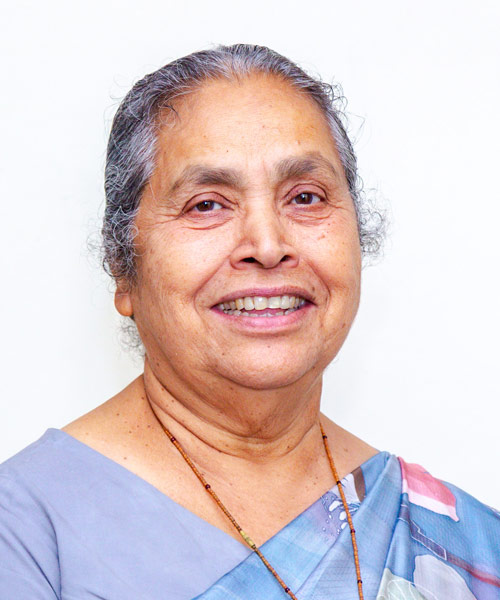
Lucy Kurien
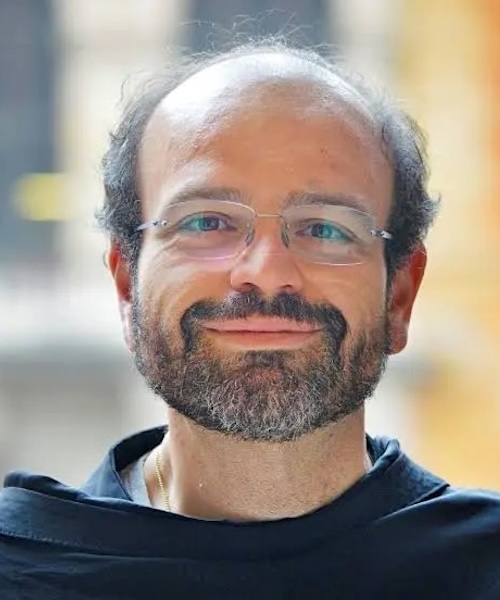
Paolo Benanti
Founders Day Lecture
Sister Lucy Kurien: Where There is Love, There is Dignity: Maher Ashram, a Haven of Hope
Monday, October 19, 2026
Lecture at 7 p.m. in Callahan Theater
Sr. Lucy Kurien is the founder and director of Maher, a sanctuary in India for society's most vulnerable. Driven by the stark poverty she witnessed in Mumbai at age 14, Kerala native Lucy Kurien dedicated her life to bringing love and dignity to the poorest of the poor. This led her to join the Sisters of the Cross and later partner with HOPE, an Indian organization focused on helping marginalized women gain self-sufficiency through employment.
Increasingly, Sr. Lucy felt a pull toward a different, more demanding mission. When a woman seeking safety tragically lost her life, Lucy vowed to make a change. Today, Maher ("Mother's Home") stands as that promise—offering hope, healing, and a safe harbor for those in need. From one small house opened in 1997, Maher now shelters destitute women, children, and men in 73 homes across 7 states of India. Education, health care, social services, spiritual care, and inclusive community are hallmarks of every Maher home. Each person is welcomed with no regard to caste, religion, color, class, age, gender, or sexuality.
In 2017, marking Maher’s 20th anniversary, Sister Lucy launched the “Interfaith Association for Service to Humanity and Nature” (IASHN) to broaden the organization’s global impact. That same year Maher was awarded “Consultative Status” by the United Nations. Soon to celebrate its 30th anniversary, Maher — with its staff and residents — models the power of compassion transformed into institutional excellence, creating spaces “where society’s vulnerable can rise to new life.”
Father Paolo Benanti: Shaping AI for Human Flourishing and Social Transformation
March 7-8, 2027
Shaping AI for Human Flourishing and Social Transformation is a symposium inspired by Pope Leo XIV’s first encyclical, Magnifica Humanitas:On Safeguarding the Human Person in the Time of Artificial Intelligence.
“The project for a civilization of love, therefore, must undertake the task of transforming this imposed interdependence into a willed and chosen solidarity. This is the guiding principle for technological processes: it is not enough for artificial intelligence to make us more efficient or connected; it must also serve to build a universal human family, with shared rights and duties, where digital proximity becomes a real opportunity for encounter and mutual care.” Pope Leo XIV wrote in Magnifica Humanitas (May 2026).
In light of the profound risks of abdicating our critical thinking and moral agency, this symposium will address the many and complex challenges posed by artificial intelligence. Rooted in the belief that human imagination and creativity are our most vital forces, we will focus on how we can actively shape AI to uphold human dignity, bridge societal divides, fuel positive social change, and serve the common good.
How can we cut through digital noise, engage in vital conversations about living holistic, connected lives, and commit ourselves to actions shaped by compassion and advocacy? The “griefs and anxieties” of our time are clear: tech-driven isolation and loneliness, workers’ rights under threat, ecological devastation, abandonment of the most vulnerable, and a choice for violence and war over “unarmed and disarming peace.” Equally clear are the “joys and hopes” that flow from a commitment to harnessing love and justice - individuals empowered by a sense of purpose and self-worth, revitalized communities energized by robust social connectedness and civic engagement, and a global covenant grounded in choices that foster both human flourishing and a thriving ecosystem.
Keynote Address by Fr. Paolo Benanti, advisor to the Holy See on AI ethics, chair of the Italian government’s Commission on Artificial Intelligence for Information, and former member of the United Nations Secretary-General’s High-level Advisory Body on Artificial Intelligence.