School Psychology
Master of Arts
Become a needed expert to help students overcome learning obstacles
Become a uniquely qualified school and psychology professional for students who need extra support to succeed academically, socially, behaviorally, and emotionally in general education or special education. Through courses and fieldwork, learn to understand cognitive and social emotional development from a strength-based perspective. Be prepared to address issues that impact student learning, from mental health to learning-related conditions, including depression, anxiety, trauma, grief and loss, family issues, learning disabilities, and attention deficit hyperactivity disorder. Learn to use evidence-based practices in psychological and academic assessments, data collection and analysis, individual and group counseling, crisis response, consultation, and intervention and to advocate professionally and ethically. Partner with students, families, teachers, school administrators, and other professionals to support individual students and to improve school-wide practices and policies.
A bachelor’s degree in any field is required; this program lends itself to those who studied psychology, education, community youth development, social sciences, or the humanities. You’ll be prepared to become a certified school psychologist and deliver professional services to children, adolescents, and families.
Curriculum • Affordability • Program Contact
Internship stipend offered
A Nazareth partnership enables up to 10 Nazareth school psychology graduate students to receive a $25,000 stipend in their third year of the program while interning in a school district that’s part of a regional consortium. The initiative is supported by a highly competitive U.S. Department of Education School-Based Mental Health (SBMH) grant to expand access to school-based mental health services. News story »

Highlights

Strong tradition of educating top-notch school professionals

In-person, evening classes (after 4 p.m.)

Complete in 33 months, full-time

Faculty bring real-world field clinical experiences into the classroom
What to Expect
-
In-person, full-time program
-
In spring semester of year two, complete a one-semester practicum (240 hours).
-
In the third year, complete a full-time internship (1,200 hours).
-
Opportunities for professional development
-
This grad program covers all National Association of School Psychologists (NASP) training standards required for graduates of the program to apply for National Certification of School Psychology (NCSP). After your internship, you are eligible for provisional New York state certification. Passing the Praxis II school psychology exams enables you to apply for the national certification in school psychology.
Our Approach
- Our graduate program in school psychology combines a strong interdisciplinary focus with an emphasis on clinical experience. You will learn hands-on skills through coursework and direct experiences. Through cooperative learning and case studies, you will learn how to apply theoretical approaches in actual school situations.
- We foster a collaborative atmosphere.
- Our framework, merging systems thinking and a dynamic understanding of personality development, provides a template that guides case formulation, decision making, and intervention design. An emphasis on child and family strengths, resiliency, and cultural context are cornerstones of our philosophy.
- We merge seminal works and theories of school psychology with contemporary research and methodology. For example, the national trend towards Multi-Tiered Systems of Support (MTSS) to improve educational outcomes for all is woven through numerous courses. Furthermore, our approach to psychoeducational assessment reflects cutting edge, evidenced-based practices with emphasis on the Cattell-Horn-Carroll (CHC) approach.
- Upon graduation, you will be able to think critically, optimistically, and passionately about what you will bring to the children, families and communities you serve — as a systems change agent, problem solver, and child and family advocate.

Difference Makers
“School psychologists can make a positive, lasting difference in children’s lives. They are a vital part of the effort to unlock each child’s potential for success.”
— National Association of School Psychologists
Value of Your Degree
Forecast
Schools critically need people with a strong school psychology education to fill jobs, particularly in rural areas and throughout the South. The number of school psychologists is less than half the number needed to provide one for every 500 students, according to the National Association of School Psychologists. Meanwhile, young people are experiencing higher rates of mental health crises and need more support.
$84,940
Median earnings for school psychologists (2023) are higher than most other school-based educational roles. The annual mean wage for school psychologists in New York state is $92,240–$111,720 (2023), according to the U.S. Bureau of Labor Statistics.
What you'll gain
Course development has been guided by our philosophy and the NASP Domains of School Psychology Training and Practice. The curriculum is designed to foster your analytical approach and skills so you can apply them in the school setting. Course material supports the following goals:
- To prepare candidates to use evidence-based practice in assessment, consultation, and intervention.
- To instill knowledge of human development in cognitive and social emotional arenas from a strength-based perspective.
- To develop a foundation for professional, ethical practice and advocacy.
- To further candidates’ appreciation of the diverse characteristics of the people and communities with whom they work.
- To encourage candidates to embrace a systems-level approach for case formulation and intervention planning.
Making Grad School Affordable
Grants, veterans benefits, loans, and undergraduate loan forgiveness are options for paying for this master's degree.
Curriculum Examples
- Introduction to School Psychology
- Psychopathology of Childhood, Adolescence, and Adulthood
- Advanced Developmental Psychology
- Social Foundations of Education
- Academic Intervention
- Measurement, Statistics, and Appraisal
- Assessment and Planning in Inclusive Childhood Education System
- Assessment I – Cognitive Assessment
- Assessment III – Social Emotional Assessment
- Principles and Techniques of Counseling and Psychotherapy
- Teacher Learner Research and Inquiry
- School Psychology Consultation
- Mental Health Interventions in School Psychology
- School Psychology Practicum
- School Psychology Internship
- Advanced School Psychology Internship
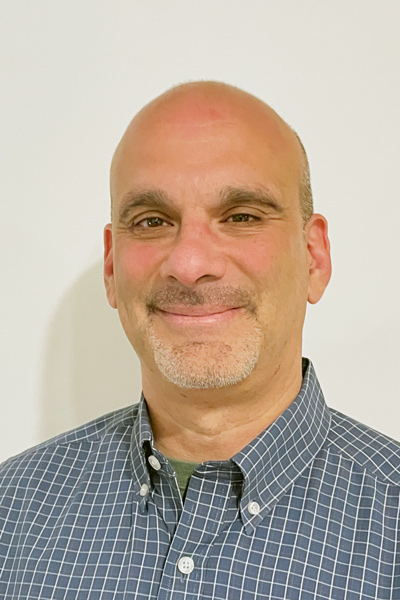
Expert Leadership
“Dr. Shanock's extensive knowledge and tireless advocacy for the field of school psychology are truly inspiring. His genuine passion is matched by his unwavering willingness to help, guide, and mentor his students, both past and present. Dr. Shanock's influence remains a cornerstone of my professional identity. I am incredibly grateful for his mentorship, which has shaped my clinical skills and instilled in me a deep commitment to best practices.”
— Robert Dickinson, NCSP, School Psychologist, Albany City School District (NY)